A clogged drain can quickly turn from a small annoyance into a major plumbing problem. Water may drain slowly, bad odors may appear, and backups can cause damage to your home. While some minor clogs respond to simple fixes, stubborn blockages often require professional equipment and experience. Knowing what causes drain problems and when to call a plumber can help you avoid larger repairs and costly water damage.
Common Signs of a Clogged Drain
Most drain issues start with warning signs. Acting early can prevent a complete blockage.
Common signs include:
- Water draining slowly from sinks or tubs
- Gurgling sounds from pipes
- Standing water around drains
- Unpleasant odors coming from sinks
- Frequent backups in fixtures
A drain that repeatedly slows down after being cleared often points to a deeper issue inside the plumbing system.

What Causes a Stubborn Clogged Drain?
Many homeowners assume a blockage is caused by one item. In reality, clogs often build over time.
Common causes include:
Hair and Soap Buildup
Bathroom drains collect hair, soap residue, and personal care products. These materials stick to pipe walls and gradually restrict water flow.
Grease and Food Waste
Kitchen drains frequently clog because of grease, oil, coffee grounds, and food scraps. Even when washed with hot water, grease can cool and harden inside pipes.
Tree Root Intrusion
Roots naturally seek moisture and can enter small cracks in underground sewer lines. Once inside, they continue growing and block wastewater flow.
Foreign Objects
Items such as paper towels, wipes, hygiene products, and children’s toys can become lodged in pipes and create serious obstructions.
Why DIY Methods Do Not Always Fix a Clogged Drain
Many homeowners reach for chemical drain cleaners when they notice a blockage. While these products may provide temporary relief, they often fail to remove the entire obstruction.
Some DIY methods can even cause damage:
- Chemical cleaners may corrode pipes over time.
- Improper snaking can damage plumbing fixtures.
- Plungers may only move the blockage deeper into the system.
- Home remedies often fail to address root causes.
When a clog returns repeatedly, professional service is usually the most effective solution.
For recurring drain problems, consider scheduling professional plumbing services to identify and correct the underlying issue.
Professional Solutions for a Clogged Drain
Professional plumbers use specialized equipment designed to remove stubborn blockages safely and efficiently.
Drain Snaking
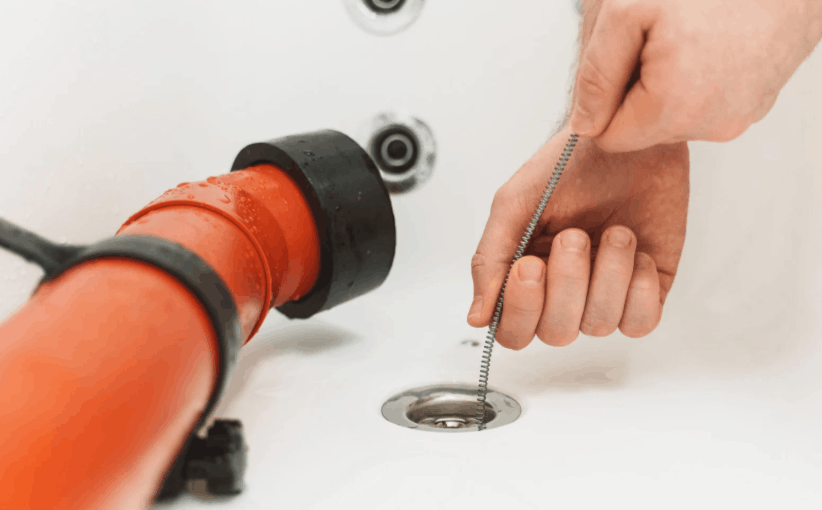
A plumbing snake reaches deeper into the pipe than most consumer tools. It breaks apart or removes many common clogs.
Hydro Jetting
Hydro jetting uses high-pressure water to clean the inside of pipes. This process removes grease, sludge, soap buildup, and debris while helping restore full flow.
Video Camera Inspections
Camera inspections allow plumbers to see inside pipes without digging or removing sections of plumbing. This technology helps identify:
- Root intrusion
- Pipe damage
- Severe buildup
- Hidden blockages
Professional inspections can save time and help prevent unnecessary repairs.

How to Prevent a Future Clogged Drain
Preventive maintenance is often easier and less expensive than emergency repairs.
Follow these simple tips:
- Use drain screens in sinks and showers.
- Avoid pouring grease down kitchen drains.
- Dispose of food scraps properly.
- Flush only toilet paper.
- Schedule routine plumbing inspections.
- Address slow drains before they worsen.
Small habits can significantly reduce the risk of recurring blockages.
When a Clogged Drain Becomes an Emergency
Some drain issues require immediate attention. Waiting too long can lead to water damage, sanitation concerns, and expensive repairs.
Contact a professional if you notice:
- Sewage backing up into sinks or tubs
- Multiple drains clogging at the same time
- Water pooling around floor drains
- Strong sewer odors throughout the home
- Overflowing toilets that do not respond to plunging
These symptoms often indicate a larger problem within the sewer line. If you suspect a sewer line issue, visit our Sewer & Drain Services page to learn more about available solutions.
FAQ About Clogged Drain Problems
Can a clogged drain clear itself?
Some minor clogs may improve temporarily, but most blockages remain inside the pipe and continue to grow over time.
Are chemical drain cleaners safe?
Frequent use of chemical cleaners may damage pipes and often fails to remove the full blockage.
How often should drains be professionally cleaned?
Many homes benefit from preventive drain cleaning every one to two years, depending on usage and plumbing conditions.
What is the best way to prevent a clogged drain?
Using drain screens, avoiding grease disposal, and scheduling routine maintenance are among the most effective prevention methods.
Protect Your Plumbing Before Problems Grow
A clogged drain may seem minor at first, but unresolved blockages can lead to backups, pipe damage, and costly repairs. Paying attention to warning signs and addressing problems early helps keep your plumbing system working properly. Professional tools such as hydro jetting and camera inspections provide lasting solutions that DIY methods often cannot achieve.
Need help with a stubborn clogged drain? Blau Plumbing Inc provides professional drain cleaning and plumbing solutions designed to restore proper flow and prevent future issues. Contact us to schedule an appointment. You can also browse our blog page for more plumbing tips, maintenance advice, and homeowner resources.